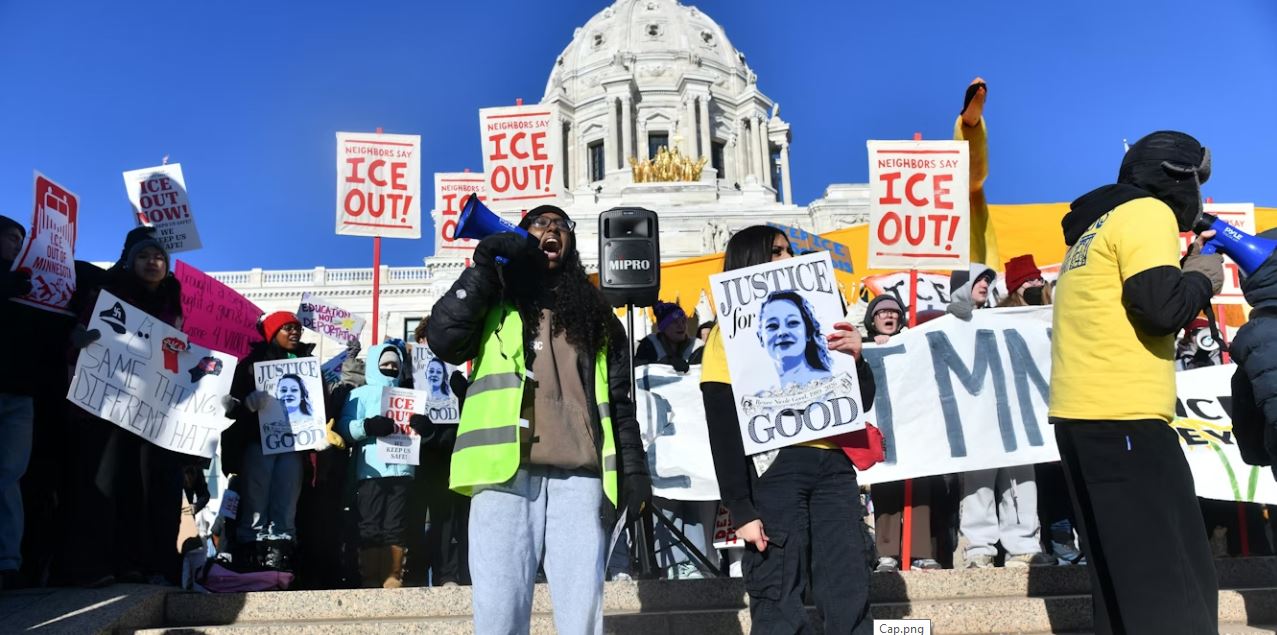
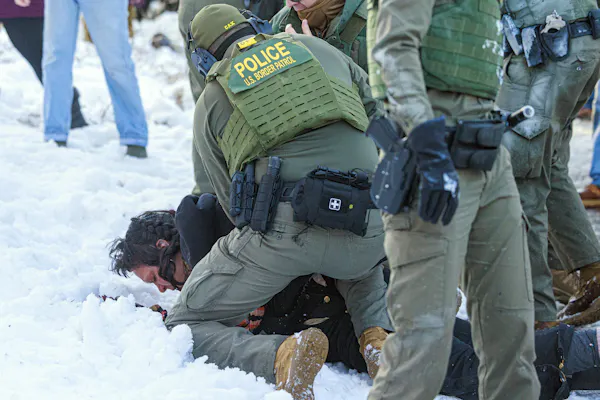
The Trump administration’s recent surge of more than 3,000 federal agents to Minneapolis and St. Paul, Minnesota, is creating ripple effects for students, teachers and parents that go well beyond ongoing protests against Immigration and Customs Enforcement and Customs and Border Protection. These protests escalated after an ICE agent shot and killed Renee Nicole Good on Jan. 7, 2026.
Some Twin Cities parents are arranging security patrols to look out for ICE agents, while others are keeping their kids home altogether. Several large Minneapolis-St. Paul school districts announced on Jan. 15 that they would offer remote learning so students could stay home.
Amy Lieberman, The Conversation U.S. education editor, spoke with Carolyn-Sattin-Bajaj, a scholar of education and immigrant youth, to better understand what regulations restrict ICE’s presence at schools – and how schools can support students and parents concerned about the recent surge of immigrant arrests and deportations in Minnesota.
What prevents ICE from walking into a school building?
The Obama administration issued a memo in 2011 that said federal officials should not conduct immigration enforcement work near sensitive locations, meaning schools and houses of worship. The Biden administration also had this policy in place.
President Donald Trump revoked this memo in January 2025. So now, schools are no longer off-limits to federal immigration agencies, including ICE.