South Africa’s food system is a complex landscape where high levels of production coexist with severe food insecurity. In a 2024 survey, 63.5% of households were found to be food insecure and 28.8% of children stunted.
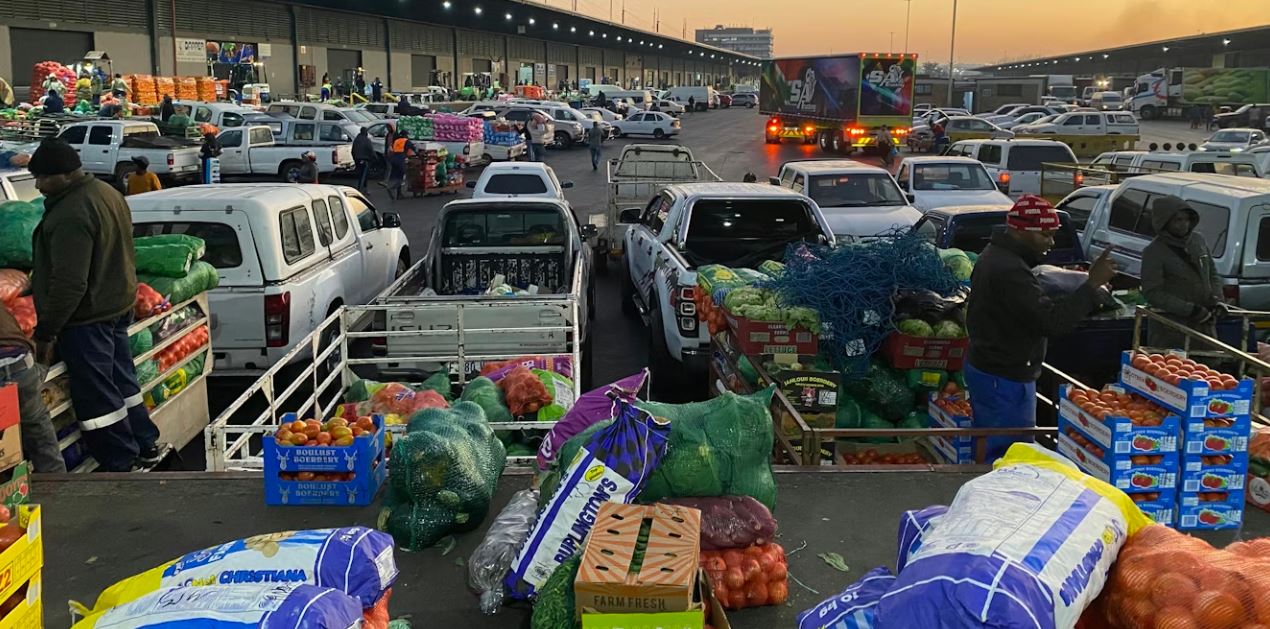
In this food system, fresh produce markets owned by municipalities are critical for food access and nutrition. The Agriculture Department reported that in 2023, the country’s 17 main municipal fresh produce markets sold over 3 million tons of fresh fruit and vegetables, worth R24.6 billion (US$1.37 billion). This is approximately 40%-50% of the fresh produce from farmers in South Africa.
The relationship between public markets and the informal sector, in particular, is fundamental to food security. Studies being carried out with support from the DSTI-NRF Centre of Excellence in Food Security in South Africa confirm that fresh produce sold by street traders who source from municipal markets is consistently cheaper than in formal supermarkets.
By selling at low prices in convenient locations, informal traders reduce the cost of food and the need for transport when shopping. They are key to making fruit and vegetables physically and economically accessible to the urban poor.
But this food system is under threat. Our research found that supermarket chains are buying more produce directly from farmers. Corroborated by the Competition Commission, there has been a steady decline in the share of national produce distributed through municipal markets.
We are social scientists who have been doing research on urban food systems in South Africa for the last seven years. We carried out research at the Johannesburg fresh produce market to better understand its role in food security.
Johannesburg fresh produce market
The Johannesburg fresh produce market accounts for around 45% of the total value of sales from the National Fresh Produce Markets. Its annual sales exceed 1.3 million tons, valued at over R11 billion (more than US$610 million).
The City of Johannesburg Metropolitan Municipality owns the property, and a state-owned company manages the operations and staff. Buyers and sellers have to register with the market to buy or sell through agents in the main trading hubs. All that’s required is a form of identity document.
All transactions in the main hubs go through agents and the market system, crediting or debiting the accounts of the sellers or buyers. The agents are registered and insured with the Agricultural Products Agents Council.
The majority of the agents are white men. Some come from families that have been agents in the market for generations. The continuity of these agents provides stability in the market. However, it also leaves the demographics little changed from the apartheid era.