The Trump administration’s overhauling of the decades-old childhood vaccination schedule, announced by federal health officials on Jan. 5, 2026, has raised alarm among public health experts and pediatricians.
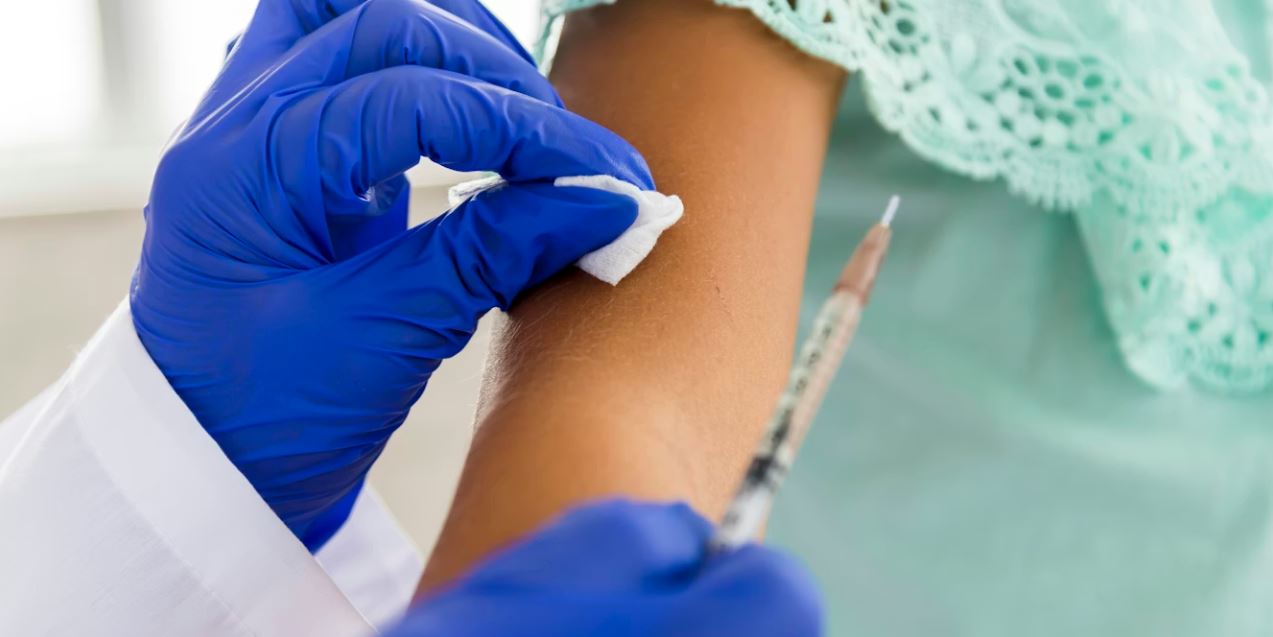
The U.S. childhood immunization schedule, the grid of colored bars pediatricians share with parents, recommends a set of vaccines given from birth through adolescence to prevent a range of serious infections. The basic structure has been in place since 1995, when federal health officials and medical organizations first issued a unified national standard, though new vaccines have been added regularly as science advanced.
That schedule is now being dismantled.
In all, the sweeping change reduces the universally recommended childhood vaccines from 17 to 11. It moves vaccines against rotavirus, influenza, hepatitis A, hepatitis B and meningococcal disease from routine recommendations to “shared clinical decision-making,” a category that shifts responsibility for initiating vaccination from the health care system to individual families.
Health and Human Services Secretary Robert F. Kennedy Jr., who has cast doubt on vaccine safety for decades, justified these changes by citing a 33-page assessment comparing the U.S. schedule to Denmark’s.
But the two countries differ in important ways. Denmark has 6 million people, universal health care and a national registry that tracks every patient. In contrast, the U.S. has 330 million people, 27 million uninsured and a system where millions move between providers.
I’m an infectious disease physician who treats vaccine-preventable diseases and reviews the clinical trial evidence behind immunization recommendations. The vaccine schedule wasn’t designed in a single stroke. It was built gradually over decades, shaped by disease outbreaks, technological breakthroughs and hard-won lessons about reducing childhood illness and death.
The early years
For the first half of the 20th century, most states required that students be vaccinated against smallpox to enter the public school system. But there was no unified national schedule. The combination vaccine against diphtheria, tetanus and pertussis, known as the DTP vaccine, emerged in 1948, and the Salk polio vaccine arrived in 1955, but recommendations for when and how to give them varied by state, by physician and even by neighborhood.
The federal government stepped in after tragedy struck. In 1955, a manufacturing failure at Cutter Laboratories in Berkeley, California, produced batches of polio vaccine containing live virus, causing paralysis in dozens of children. The incident made clear that vaccination couldn’t remain a patchwork affair. It required federal oversight.